
 English
 Español
 Portugues
 Pусский
 Français
 Deutsch
 日本語
日本語 한국어
한국어 العربية
 Italiano
 Polski
 Türk dili
 Melayu
 қазақ
қазақ עִברִית
 українська
 norsk
norsk o'zbek
 ଓଡିଆ
ଓଡିଆ
Modern Architectural Façade Materials
Modern Architectural Façade Materials The façade of a building serves as its public face, defining its aesthetic appeal, functionality, and environmental performance. In contemporary architecture, façade materials have evolved significantly, driven by advancements in technology, sustainability goals, and innovative design approaches. Below are some of the most prominent materials used in modern architectural façades. 1. Glass and Glazing Systems Glass remains a dominant material in modern façades due to its transparency, versatility, and ability to create sleek, minimalist designs. Advances in glazing technology have led to the development of energy-efficient options such as double or triple glazing, low-emissivity (Low-E) coatings, and dynamic glass that adjusts transparency based on sunlight. Curved and frameless glass systems allow for seamless, futuristic designs, while structural glass façades provide both transparency and structural integrity. 2. Metal Panels and Cladding Metals like aluminum, steel, and copper are widely used for their durability, lightweight properties, and adaptability. Aluminum composite panels (ACPs) are popular for their ease of installation and resistance to weathering. Corten steel, known for its rust-like appearance, is favored for its aesthetic appeal and self-protecting oxide layer. Perforated metal panels are often used for decorative façades, offering both visual interest and functional benefits like sun shading and ventilation. 3. High-Performance Concrete and Fiber Cement Concrete has been reimagined in modern architecture with ultra-thin, precast, and textured finishes. High-performance concrete (HPC) offers enhanced strength and durability, while fiber-reinforced concrete allows for intricate, sculptural designs. Fiber cement panels, made from a mix of cement, cellulose fibers, and sand, provide a lightweight, fire-resistant, and low-maintenance alternative to traditional materials. 4. Natural Stone and Engineered Stone Natural stone, such as granite, marble, and limestone, continues to be valued for its timeless elegance and durability. However, engineered stone—composed of crushed stone bound with resin—offers greater consistency in color and texture while reducing environmental impact. Thin stone veneers are increasingly used to achieve the look of solid stone with reduced weight and cost. 5. Timber and Engineered Wood Wood brings warmth and natural beauty to façades, with options ranging from traditional timber to engineered wood products like cross-laminated timber (CLT) and thermally modified wood. These materials are sustainable, renewable, and can be treated to enhance fire resistance and weather durability. Wooden louvers and brise-soleil systems also provide effective solar control. 6. Composite and Innovative Materials Composite materials, such as glass-fiber-reinforced concrete (GFRC) and carbon fiber, combine strength with design flexibility. Photovoltaic-integrated façades incorporate solar cells into glass or cladding, turning buildings into energy generators. Additionally, bio-based materials like algae panels and recycled polymers are emerging as sustainable alternatives. Conclusion Modern architectural façades reflect a balance between aesthetics, performance, and sustainability. The choice of materials depends on factors such as climate, structural requirements, and design intent. As technology advances, architects continue to push boundaries with innovative materials that redefine the built environment. The future of façades lies in smart, adaptive systems that respond to environmental conditions while enhancing both form and function.
产品
分类:
-
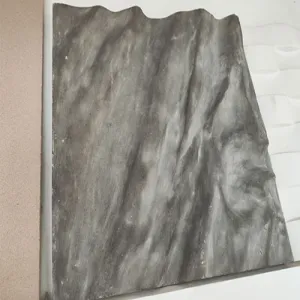
UHPC Ultra-High Performance Concrete Exterior Wall Version
所属分类: UHPC textured panels浏览次数: 37编号:发布时间: 2025-12-01 08:26:59UHPC Ultra-High Performance Concrete Exterior Wall Version delivers exceptional durability, refined aesthetics, and long-lasting structural stability for modern architectural façades. Designed with ultra-dense composition and superior mechanical strength, UHPC panels provide outstanding resistance to weathering, impact, and corrosion. Their slim profile, lightweight design, and flexible customization make them ideal for high-rise buildings, public facilities, and commercial projects. With excellent thermal performance and minimal maintenance needs, UHPC exterior wall systems help enhance energy efficiency while maintaining a sleek, contemporary appearance. This advanced material is widely chosen by architects seeking high performance, sustainability, and premium façade quality.
新闻
分类:
暂无搜索结果!
案例
分类:
暂无搜索结果!
视频
分类:
暂无搜索结果!
下载
分类:
暂无搜索结果!
招聘
分类:
暂无搜索结果!
推荐产品
暂无搜索结果!



 电话
电话